OUR STORY

PEOPLE MATTER

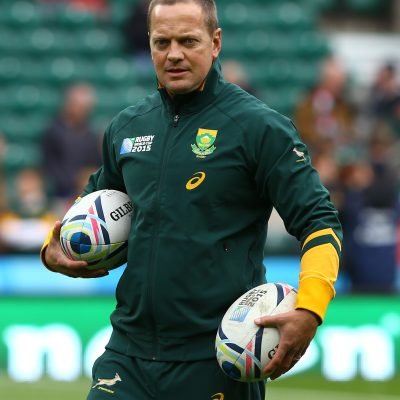
Level Change wasn’t created in a boardroom. It was shaped over years of rebuilding teams, leading people and experiencing both the very best and the very worst of demanding performance environments.

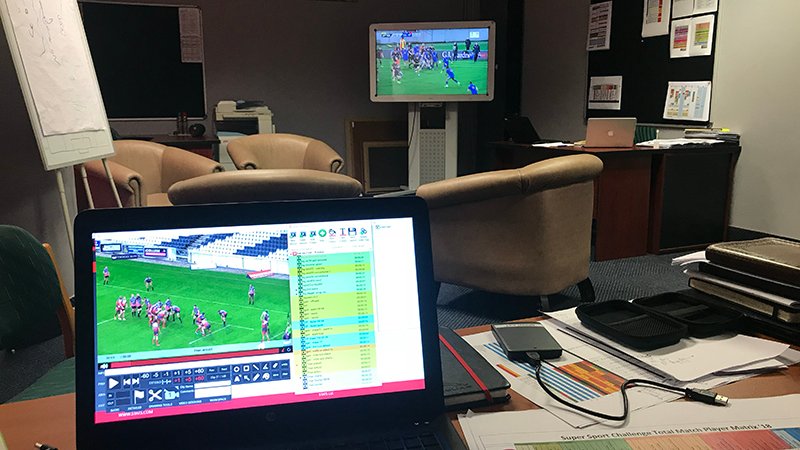
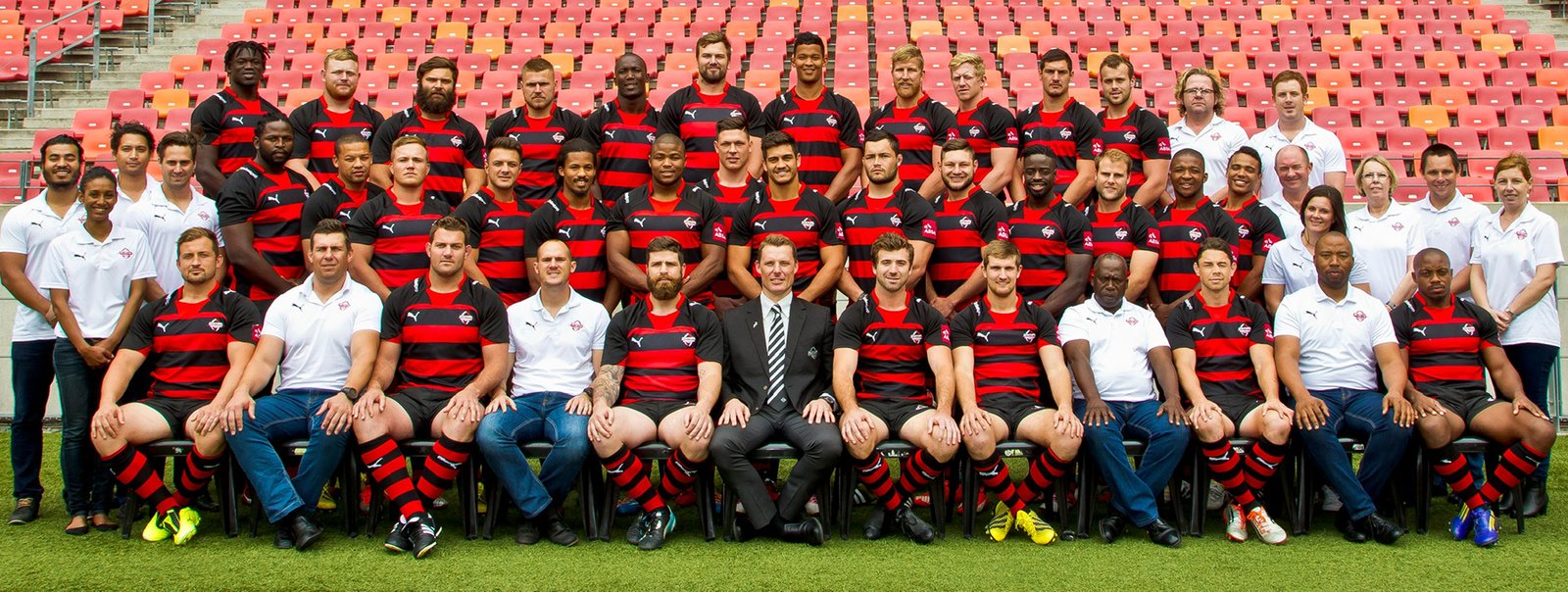
Throughout my coaching journey, I often found myself facing what felt like a modern David-versus-Goliath challenge. Many of the teams I joined had come through difficult seasons and were expected to improve quickly, despite competing against organisations with bigger budgets, larger support teams and far greater resources.

There was no opportunity to simply outspend the competition.

We had to find another way. In some environments, continued funding—and ultimately the future of the organisation—depended on it.

That journey forced me to think differently about performance. The visible work mattered, but it was only one part of the picture. Performance could not be understood in isolation or built through tactics, technical knowledge and resources alone.

I began to see three interconnected dimensions:

External Performance

The visible factors—
execution, decisions, skills,
behaviours and
results.

Internal Performance

The human factors beneath the surface—identity, self-awareness, mindset, wellbeing, resilience, the ability of people to grow and lead self and others.

Systemic Performance

The wider environment:
relationships, leadership, behaviours, culture and systems people live and
work within.

And all 3 dimensions mattered, you could not focus on the one without the other, because Everything affects everything! Performance is shaped from the outside in and the inside out, through how all stakeholders connect and align around a shared purpose.

Too often there’s an over investment in visible factors and an underinvestment in the rest. Bringing balance across all 3 interconnected dimensions, mattered most. 

SEEING POTENTIAL OTHERS MISSED

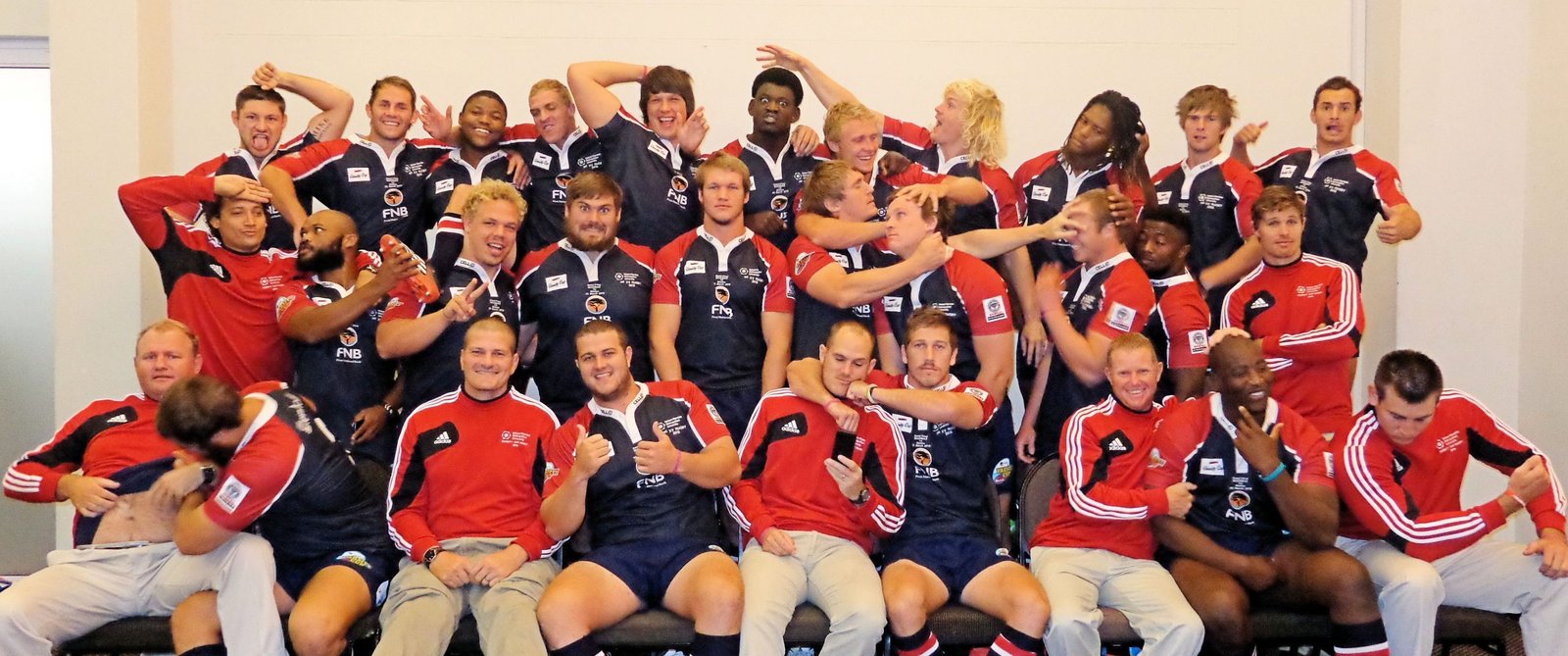
Working with limited resources taught us that every person mattered.Instead of becoming consumed by that we didn’t have, we focused on how to resourcefully utilize that which we did have – seeing the potential in the room, making room for every voice, harnessing the collective intelligence and creating an environment in which people could belong, contribute and become fully invested in a shared purpose.

We also looked beyond reputations and saw potential where others often saw limitations. Some of the staff and players we brought in had been written off elsewhere. Some arrived carrying poor references. We acknowledged those opinions, but we were not prepared to allow them to define what someone could become, making our own assessments of people and their potential. We assessed people on their unrealized potential and believed that the right environment, relationships and support could help bring out the best in them. Many went on to become major contributors to our success.

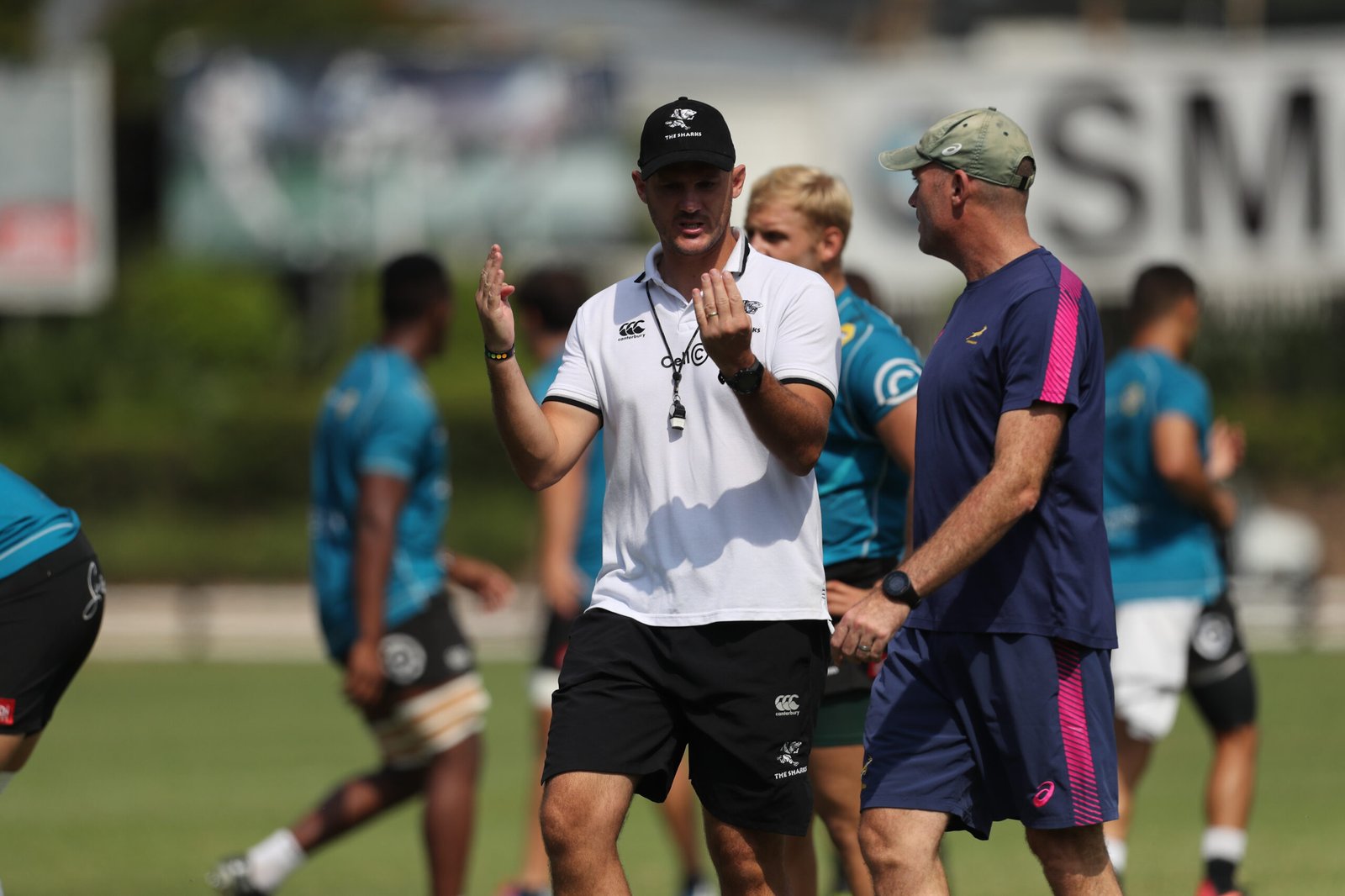
At the same time, we remained humble enough to recognise what we did not possess. We brought in people with the knowledge and strengths we needed—including support that challenged and developed me as a leader. When people felt that they belonged, were trusted to contribute and became connected around something greater than themselves, the collective became more capable than the sum of its individual parts.

The results were significant. Teams coming off difficult previous seasons and with limited resources, outperformed teams with significantly greater resources. With one team, we moved from facing relegation to reaching the semi-finals in under three years. Another earned promotion to a premier competition for the first time in seven years—in under one year. With another, we reached the semi-finals of a premier competition for the first time in twenty-one years, also within a year.

We achieved much with little. Against the odds. In record time.

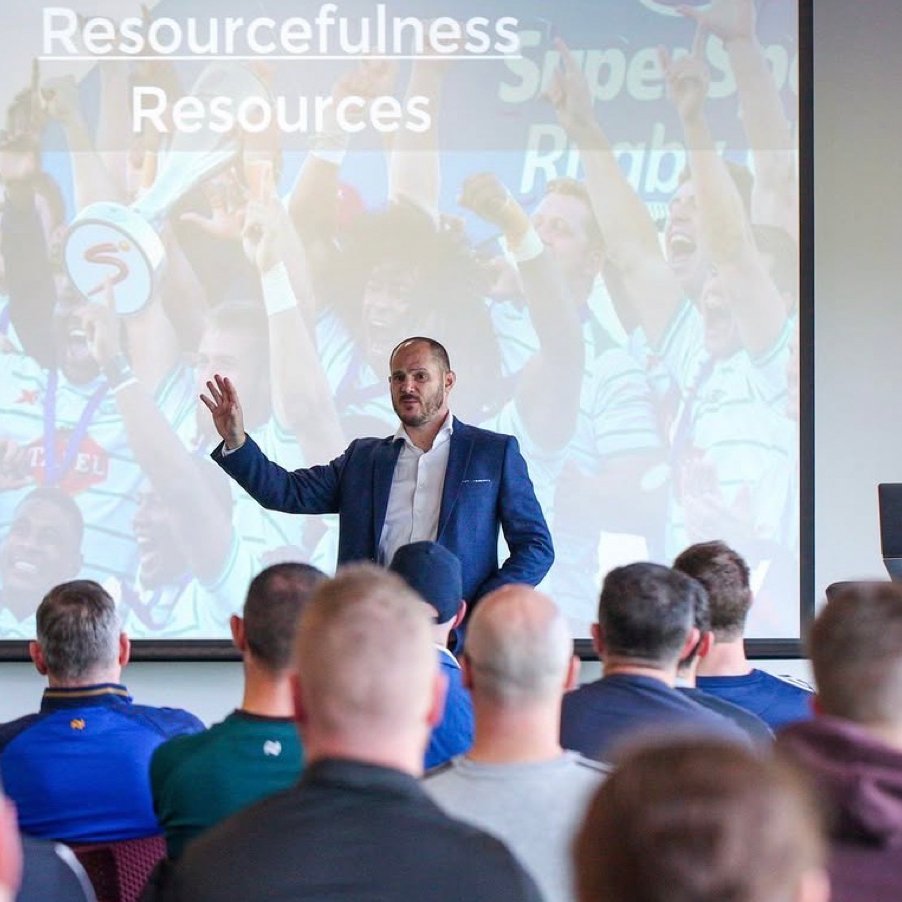
The biggest lesson learnt what that resourcefulness mattered more than resources! In Resource constrained environments, how you utilize and allocate that which you have, matters most.

More than the results, we discovered what happens when people matter, when healthy leadership and genuine connection are treated as essential — not optional — and when everyone works toward a shared purpose.

THE OTHER SIDE OF PERFORMANCE

Yet I also experienced something completely different: environments with every resource one could dream of—exceptional facilities, talented people and real financial investment—that still underperformed.

The problem wasn’t capability or resources. It was the systemic environment getting in the way. Leadership lacked skill and alignment. Trust eroded. Relationships became strained. Staff turnover became normal. Energy that should have been directed towards people, purpose and performance was consumed elsewhere. Despite having every advantage, collective performance suffered, potential went unrealized and people paid the price.

Most tellingly, what was said was not lived. The behaviours evident within these environments were often incongruent with the values being communicated. Ineffective focus and methods undermined the best interests of the people, the team and the organisation.

These environments left me deeply uninspired, and I found myself repeatedly asking: How could this be?

Over time, the answer became increasingly clear.

Resources alone don’t create great performance. Healthy environments do. 

People paid the price. Nobody won. I knew there had to be another way.

"Without healthy leadership of self and others, genuine connection and alignment, even the most talented, best-resourced organisations can struggle to realise their collective potential."

WHY LEVEL CHANGE EXISTS

After years of rebuilding teams and working seventy-hour weeks, I took stock of what actually creates transformational impact. 

I’d seen what ordinary people could achieve when trusted, developed, challenged and connected around a shared purpose — and I’d seen the cost when critical leaders and environments worked for themselves and against people, instead of for them.

These experiences taught me that resources do not guarantee success. What matters is what people do with what they have—and the conditions created around them.

Resourcefulness matters more than resources. We must strive to resourcefully unlock the potential that already exists. And these lessons belonged beyond rugby — in sport, education, business, families and communities.

That’s why I created Level Change: to help people become more resourceful in how they live, lead and influence others, to build healthier relationships, environments and collective leadership capable of sustainable systemic performance, without losing sight of wellbeing or one another.

ONE CAN DO MUCH WITH LITTLE.

Because people do not perform in isolation. Everything affects everything.

Brent Janse van Rensburg

FROM EXPERIENCE TO A PERFORMANCE MODEL

The experiences that shaped Level Change made one thing clear: performance is never only about what people do. It is shaped by the person, the quality of relationships across all stakeholders and the wider environment they operate in.

Those lessons became the foundation of a Performance Model: a person-first, systemic way of developing people, strengthening teams and building environments where performance holds under pressure.